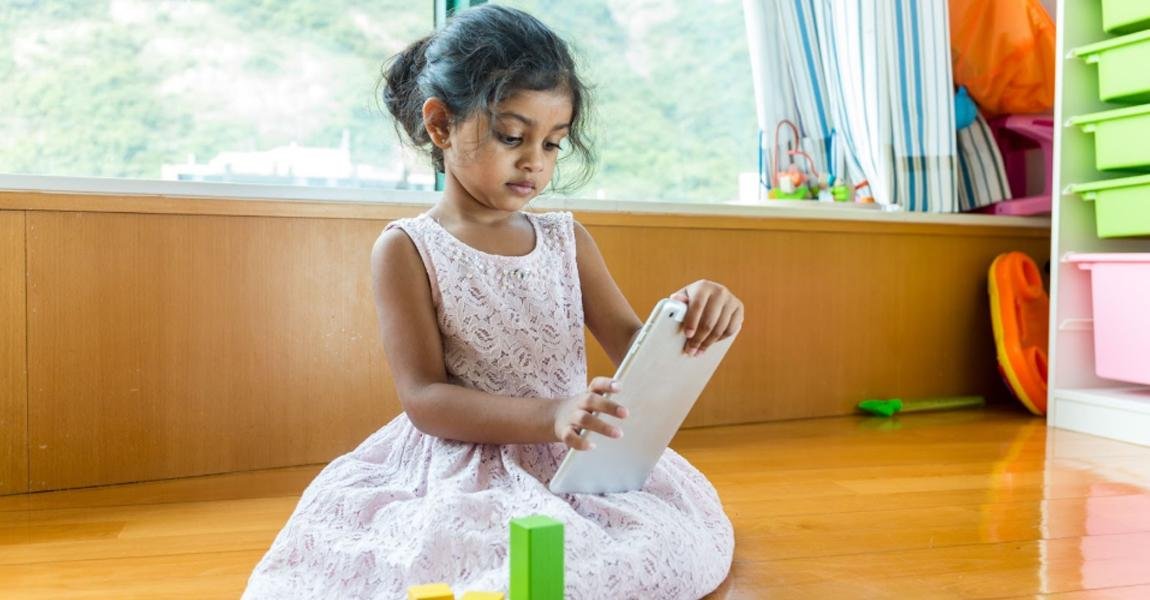
Education is evolving, and so are families’ expectations. Over the last decade, many home schoolers have embraced flexible learning to provide personalized education for their children. While Homeschooling offers freedom and customization, parents often discover challenges related to structure, curriculum planning, peer interaction, and academic recognition.
Thank you for reading this post, don't forget to subscribe!Today, a growing number of families are transitioning from independent home education to structured online schooling. This shift is not about giving up flexibility—it is about enhancing it with guidance, community, and future-ready credentials. Dreamtime Learning Online School supports this transition by offering a balanced, structured, and engaging digital learning environment.
>Why Families Are Moving Beyond Traditional Homeschooling
Homeschooling allows parents to tailor lessons to their child’s pace and interests. However, over time, many parents find themselves juggling multiple roles—teacher, planner, evaluator, and administrator. This can become overwhelming.
However, managing everything independently can be challenging. From designing lesson plans to ensuring curriculum alignment and conducting assessments, homeschooling requires significant time and expertise. Over time, many parents realize that while flexibility is important, structure is equally essential for long-term academic success.
Here are some common challenges families experience:
- Difficulty maintaining consistent academic structure
- Limited peer interaction for children
- Concerns about board recognition and certifications
- Time-intensive lesson planning
- Uncertainty about assessment standards
While the intent behind homeschooling remains strong, many parents begin exploring alternatives that maintain flexibility while providing professional academic support.
The Rise of Structured Online Learning
Modern digital platforms have redefined what education can look like. Among the good online schools available today, structured virtual programs combine expert-designed curriculum, certified teachers, and interactive classrooms.
Unlike self-directed homeschooling, online schools provide:
- Live and recorded classes
- Clear academic pathways
- Standardized assessments
- Teacher mentorship
- Social engagement opportunities
This creates a smoother educational journey without removing parental involvement. Instead of replacing parents, online schooling empowers them with professional academic backing.
At Dreamtime Learning, families transitioning from homeschooling discover a supportive ecosystem that respects individual learning styles while providing academic clarity. Learn more about how structured online education works at https://www.dreamtimelearningschool.com/
What Makes Online Schooling a Smarter Path?
1. Academic Recognition
One of the biggest concerns for home schoolers is long-term recognition. Universities and employers often require standardized credentials. Online schools offer recognized assessments and documented academic progress, ensuring students stay future-ready.
2. Community and Collaboration
Children benefit greatly from peer interaction. Online schooling provides virtual classrooms, group projects, and extracurricular activities that build communication and teamwork skills—something independent homeschooling may struggle to consistently provide.
3. Professional Teaching Support
Parents no longer carry the entire academic responsibility alone. Certified teachers guide students through structured lessons while tracking performance and offering personalized feedback.
4. Balanced FlexibilityUnlike traditional schools, online learning still allows students to manage their time efficiently. This balance appeals strongly to modern families seeking adaptable schedules without sacrificing quality.
How Dreamtime Learning Supports Modern Families
Dreamtime Learning Online School bridges the gap between flexibility and formal education. It offers:
- Structured curriculum aligned with academic standards
- Interactive digital classrooms
- Personalized attention
- Safe and supportive learning environment
- Continuous parent communication
For families transitioning from homeschooling, this model reduces stress while maintaining student-centered learning. Parents remain involved but are no longer burdened with designing entire academic frameworks.
Parents Are Mostly Search FAQs
1. Is online schooling better than homeschooling?
It depends on the family’s needs. Online schooling provides structure, teacher support, and certification, while homeschooling offers full control. Many families prefer online school for balanced flexibility and academic recognition.
2. Will my child lose flexibility in an online school?
No. Most structured online programs offer flexible schedules while maintaining academic consistency.
3. Are online schools recognized for higher education?
Yes, accredited programs provide recognized credentials that help students pursue higher studies confidently.
4. Can parents still be involved in their child’s education?Absolutely. Parents receive progress updates and remain active partners in the learning journey.
5. Is the transition from homeschooling difficult?
Not at all. With proper guidance and onboarding support, students adapt smoothly to structured online learning.
The Future of Home-Based Education
The journey from independent homeschooling to structured digital schooling reflects a natural evolution in modern education. Families today want flexibility, but they also want credibility, community, and academic clarity.
For many home schoolers, online education offers the best of both worlds—freedom with structure, personalization with professional support, and independence with recognition.
If you are exploring the next step in your child’s educational journey, Dreamtime Learning Online School provides a smarter, future-ready path designed for modern families.
Share Article